Smarter Data Annotation for Agritech
High-quality data annotation plays a crucial role in building reliable AI models for agriculture. With accurate labeling of crops, soil conditions, and environmental factors, AI systems can analyze farm data efficiently and support better decision-making for farmers.
Core AI Capabilities in Agriculture
- Crop Detection: Identify crops and separate them from weeds with precision.
- Fruit Analysis: Detect size, shape, and ripeness for automated grading.
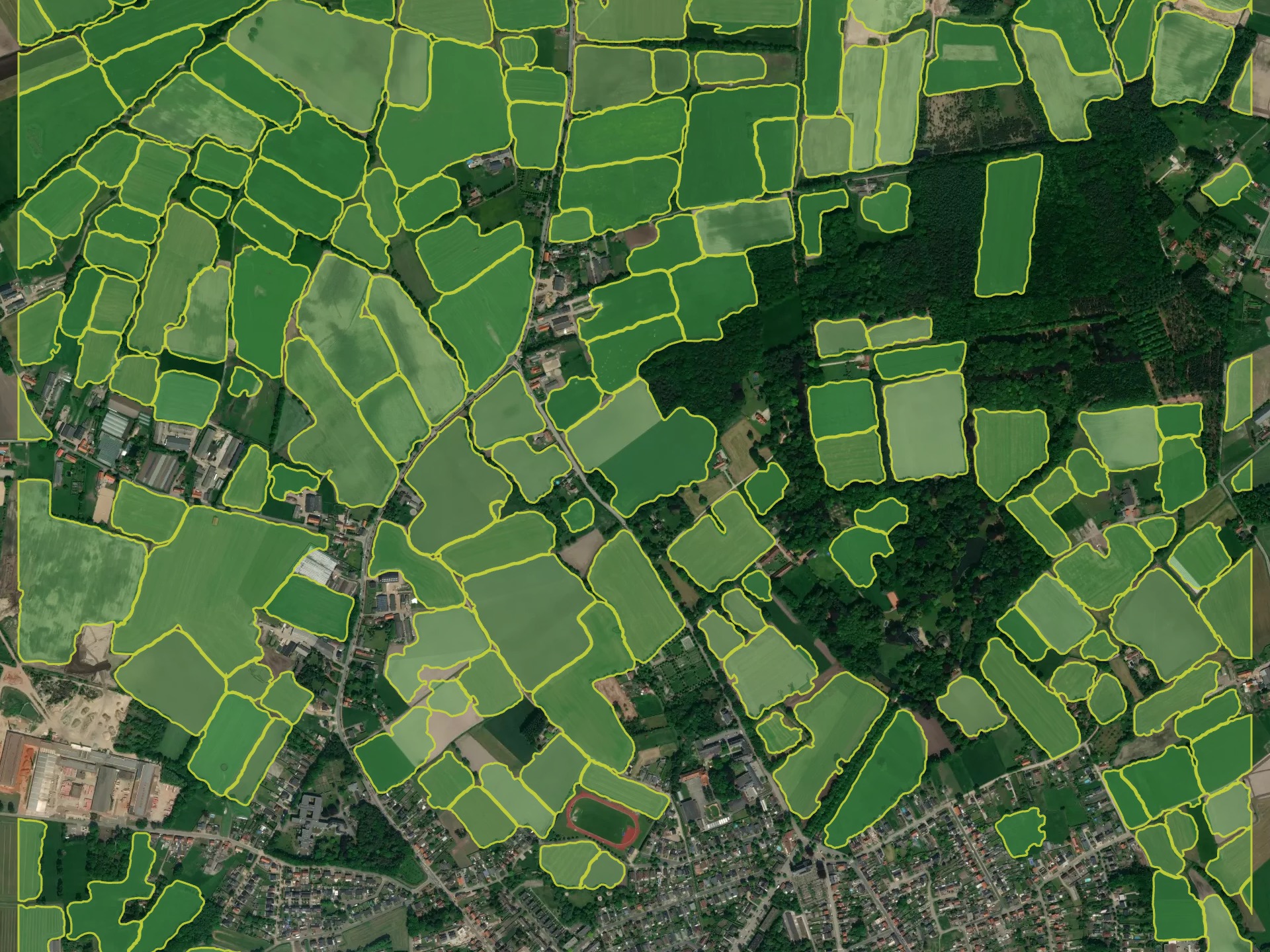
- Field Mapping: Use geospatial data for better land and irrigation planning.
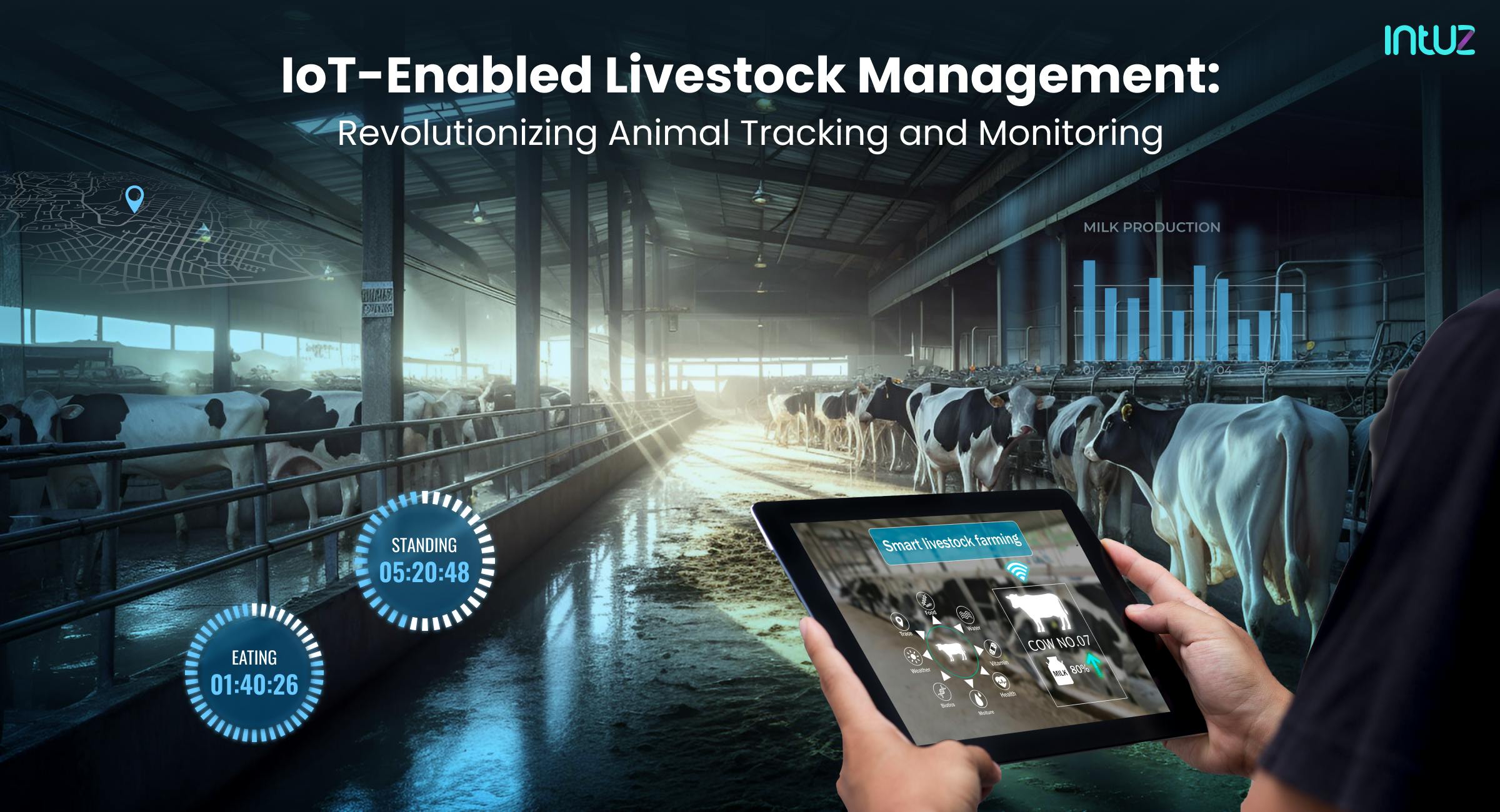
- Livestock Monitoring: Track animal health, movement, and behavior.
- Soil Analysis: Evaluate nutrients and improve soil quality management.
Key Use Cases of AI in Farming
- Precision Farming: Optimize resources and detect issues early.
- Crop Health Monitoring: Analyze plant conditions in real-time.
- Yield Prediction: Forecast production using AI-driven insights.
- Weed Detection: Identify and remove unwanted plants automatically.
- Smart Irrigation: Optimize water usage based on real-time data.
AI-powered agriculture not only improves productivity but also ensures sustainability. Farmers can reduce waste, save resources, and maximize output with intelligent automation.
The future of farming lies in combining data, automation, and intelligence to create a more efficient and sustainable agricultural ecosystem.
Advanced Applications
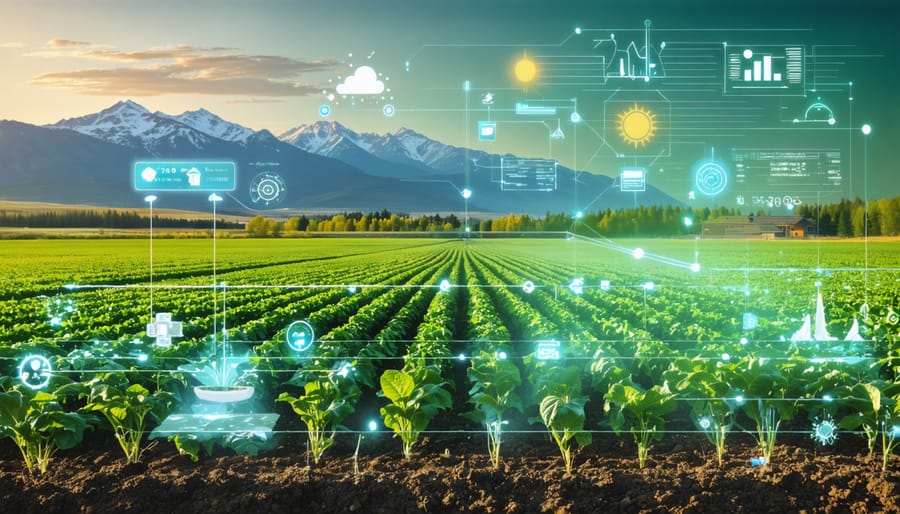
With the integration of drones, IoT devices, and computer vision, modern agriculture is becoming more data-driven than ever. These technologies enable continuous monitoring of fields, accurate disease detection, and automated harvesting processes.