The Neurotech Ai

0%
Loading...
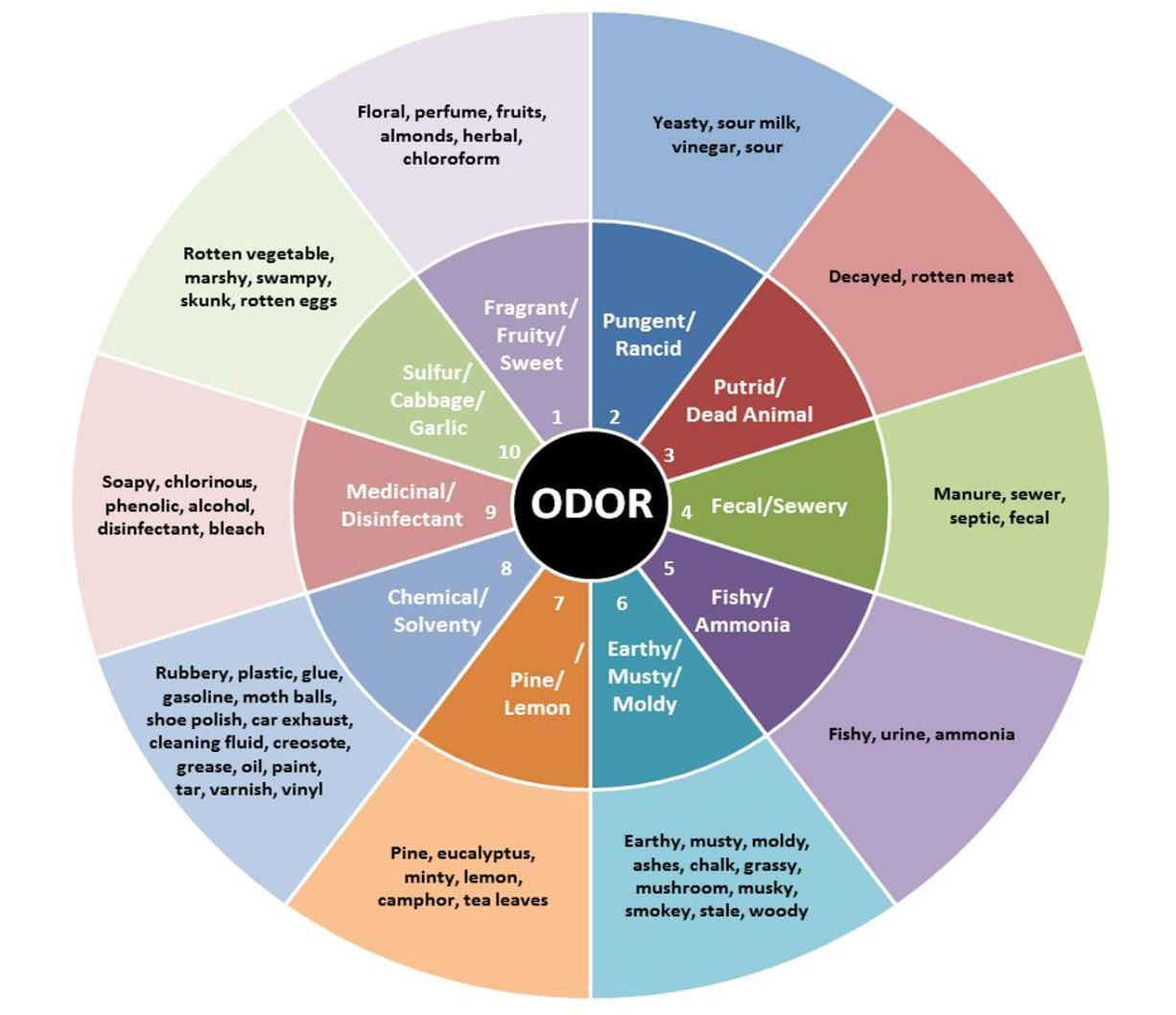
Odor = chemicals in air detected by nose → brain interprets smell
Can be pleasant (flowers) or unpleasant (garbage)
Important for safety + experience


Accurate labeling of gas sensor signals and chemical patterns to train and optimize odor classification models.
Frame-by-frame analysis of sensor readings to detect changes, trends, and anomalies in odor patterns.
Combining data from multiple sensors to improve detection accuracy and robustness in complex environments.
Semi-automated annotation workflows that accelerate dataset preparation while maintaining high precision.
Rigorous validation processes to detect inconsistencies, correct drift issues, and ensure reliable model performance.
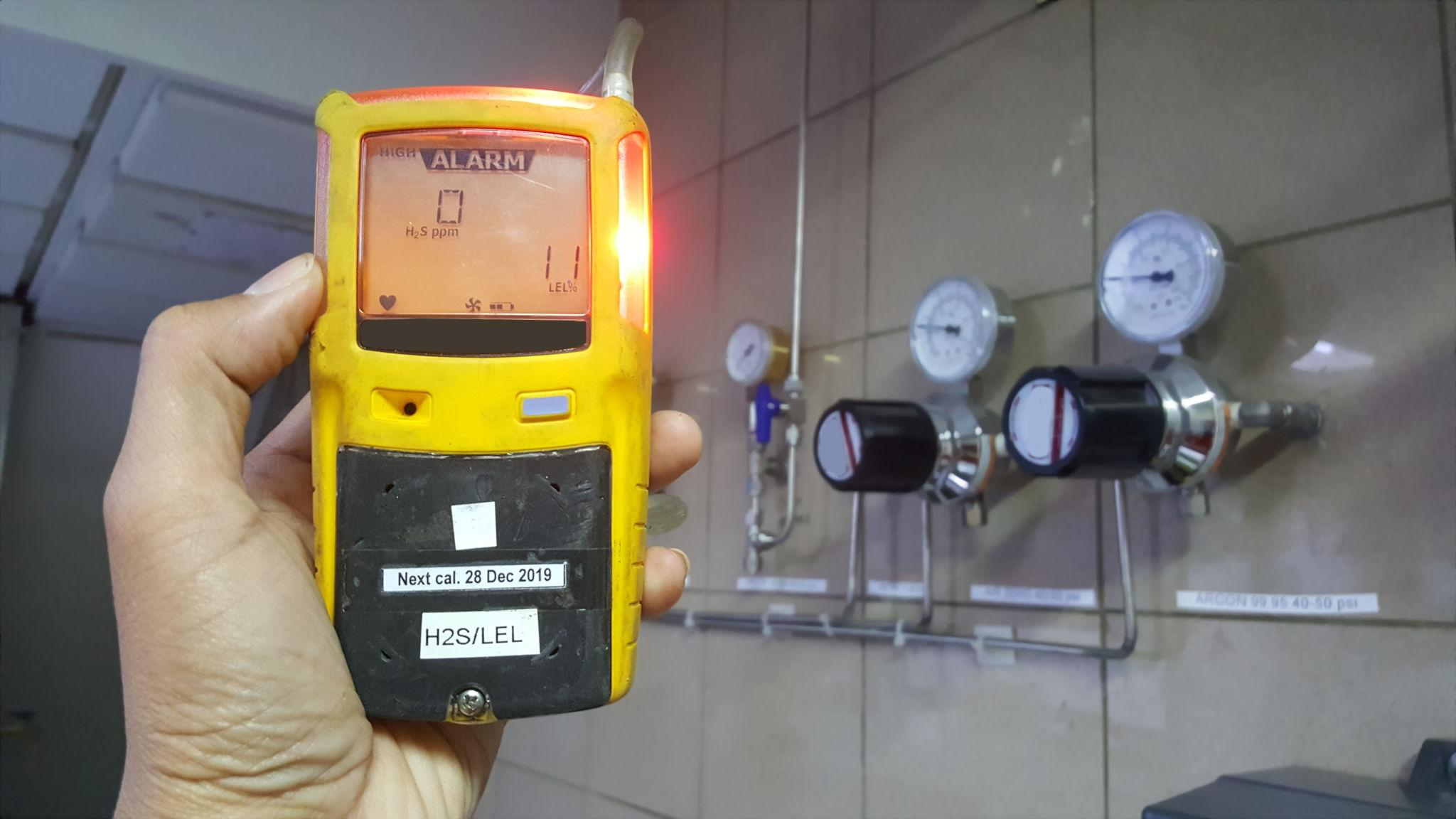
Optimized pipelines for continuous odor monitoring and instant alert systems in critical applications.

Building effective odor detection models requires high-quality, sensor-driven training data to accurately identify, classify, and predict smells across environments. We curate and structure complex olfactory datasets that enable machines to interpret chemical signatures and airborne compounds.
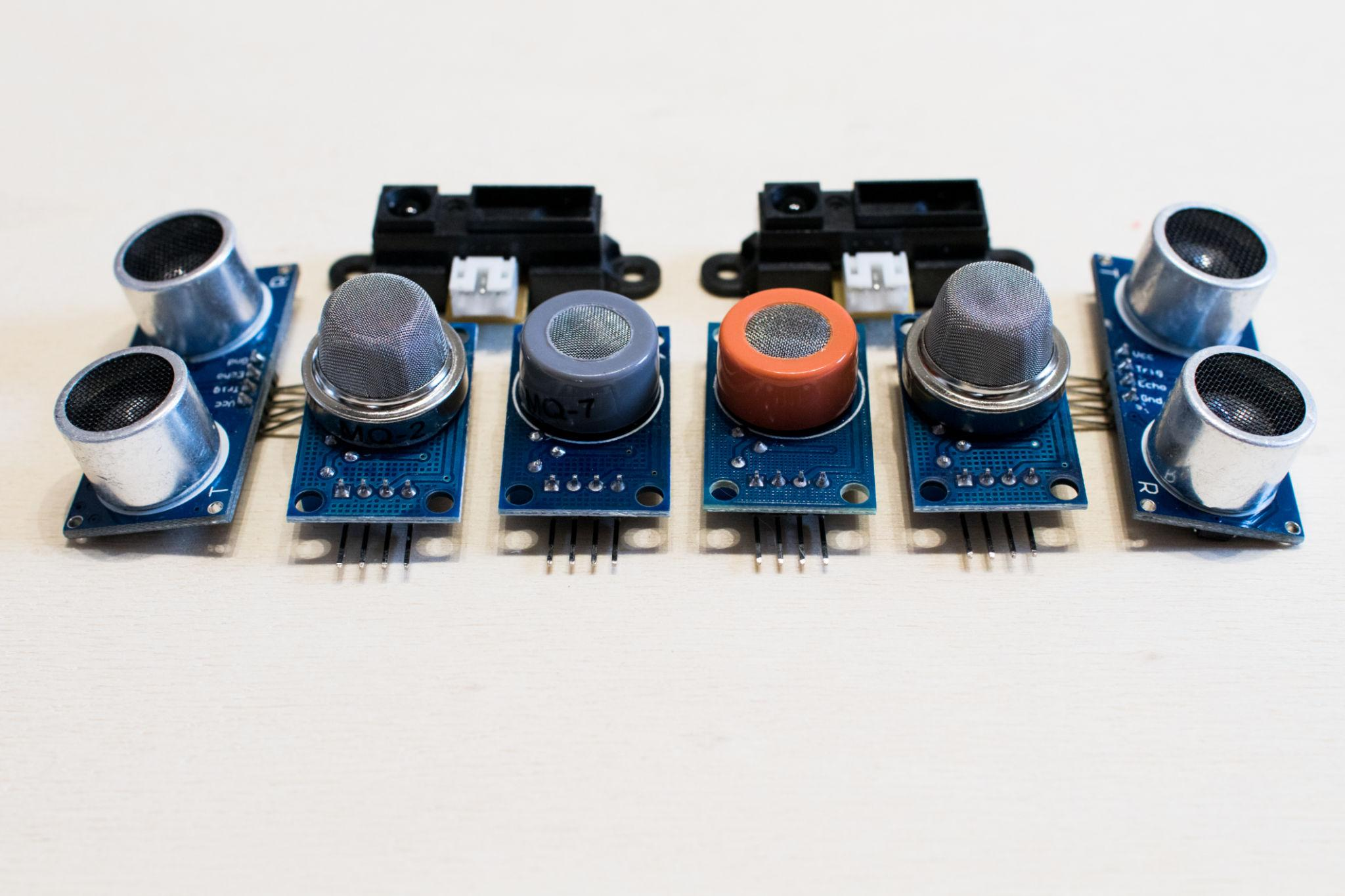
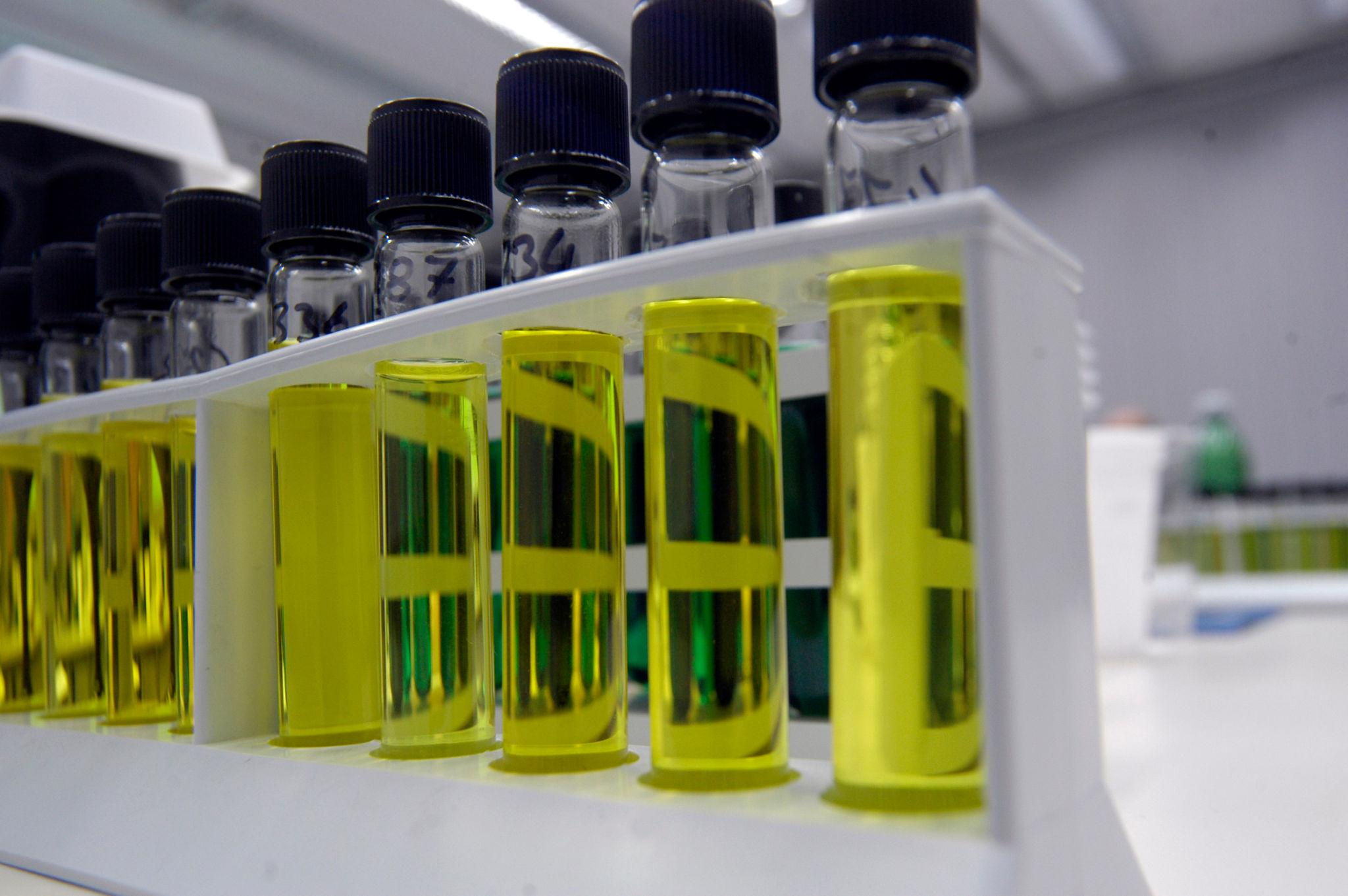
Large-scale datasets collected from electronic noses (e-noses) with multiple gas sensors. These datasets capture patterns of volatile organic compounds (VOCs) for classification and anomaly detection.
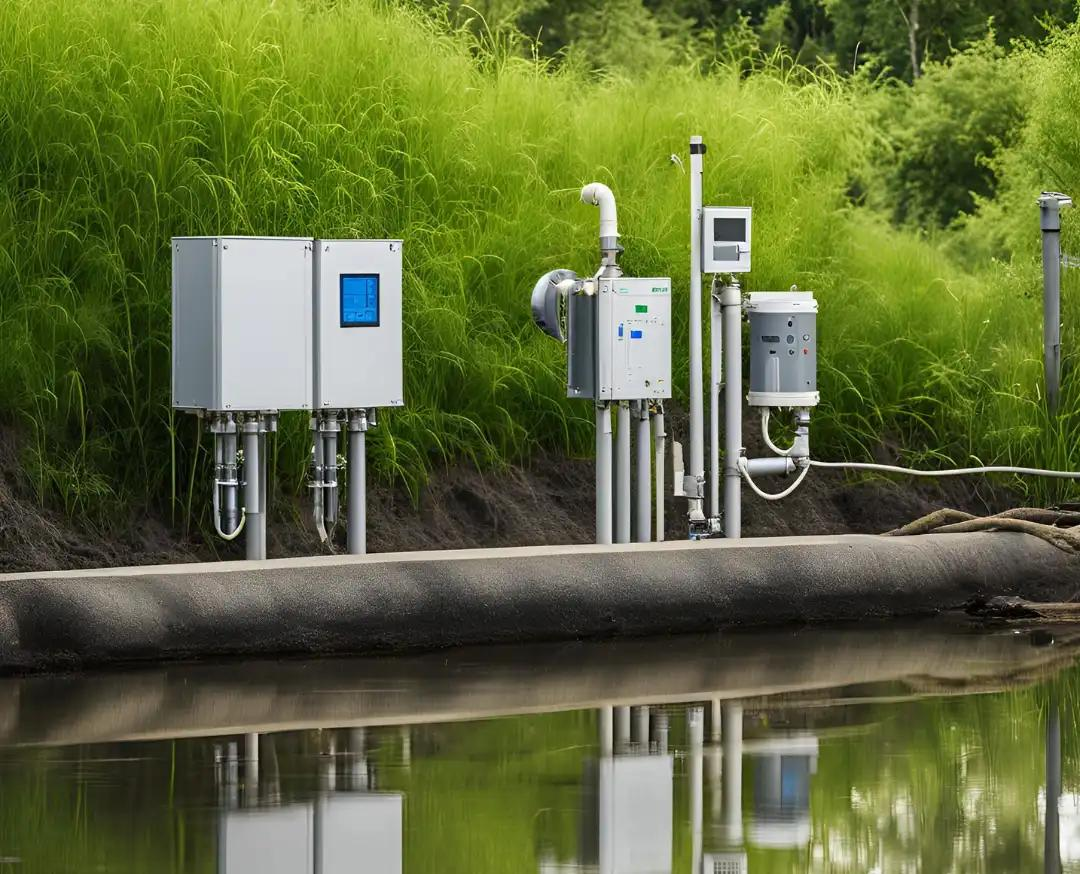
A widely used benchmark dataset containing time-series data from chemical sensors exposed to different gases, supporting research in pattern recognition and drift compensation.
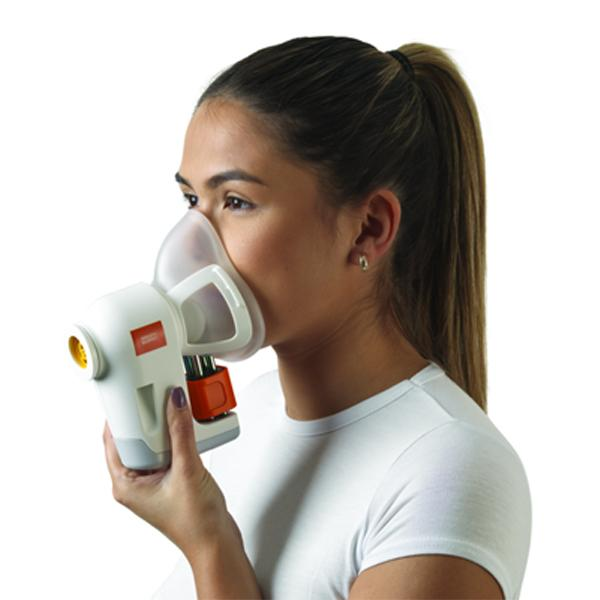
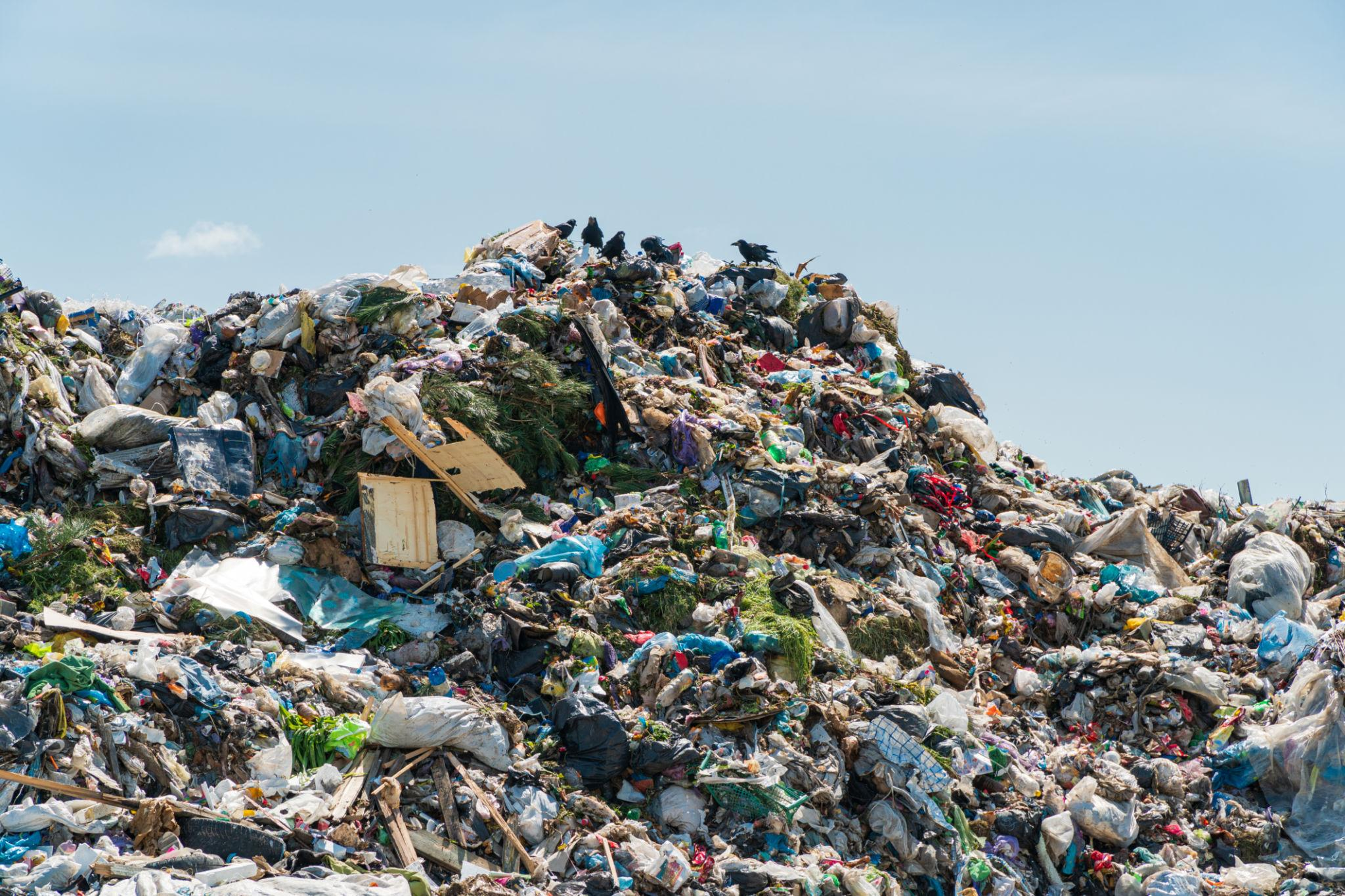
Real-world datasets collected from industrial zones, waste facilities, and urban environments to detect pollution levels, hazardous leaks, and odor intensity.
Reliable, secure, and scalable AI data solutions tailored to your needs
High-quality, accurate datasets tailored to your specific AI application needs.
End-to-end data protection with strict workflows ensuring complete confidentiality.
Efficient handling of projects at any scale without compromising speed or quality.
Pay-as-you-go pricing model designed to fit your budget and project scope.