The Neurotech Ai

0%
Loading...
The future of robotics is driven by intelligent systems that can perceive, learn, and act in complex environments. From autonomous warehouse robots to advanced service machines, success depends on high-quality, context-rich training data.
We deliver custom AI data solutions that help robotics models evolve from controlled simulations to real-world performance—ensuring accuracy, adaptability, and reliability at scale.

With deep expertise in robotics data and human-in-the-loop workflows, we support the development of intelligent systems capable of understanding dynamic environments and performing complex tasks with precision.
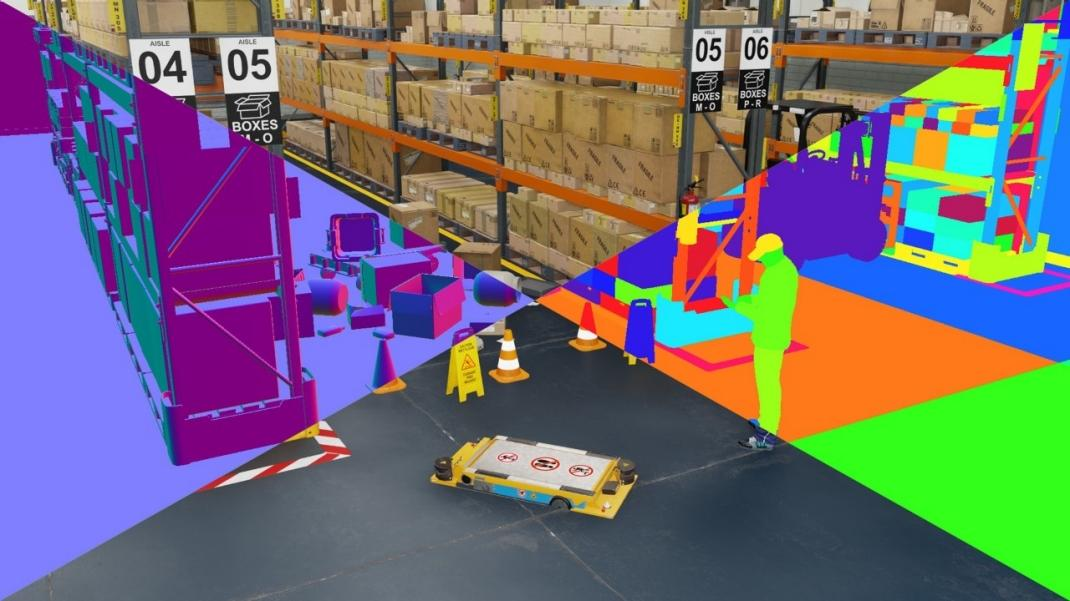
Generic datasets fall short for real-world robotics. We create tailored datasets designed around your specific use cases—enabling robots to perform intricate tasks such as object handling, navigation, and human interaction with high accuracy.
Detailed environment labeling allows robots to interpret surroundings, navigate efficiently, and adapt to changing real-world conditions with improved spatial awareness.
Train robots to accurately detect and interact with objects—whether tools, products, or obstacles—enhancing safety, precision, and operational efficiency.
Train robots to accurately detect and interact with objects—whether tools, products, or obstacles—enhancing safety, precision, and operational efficiency.

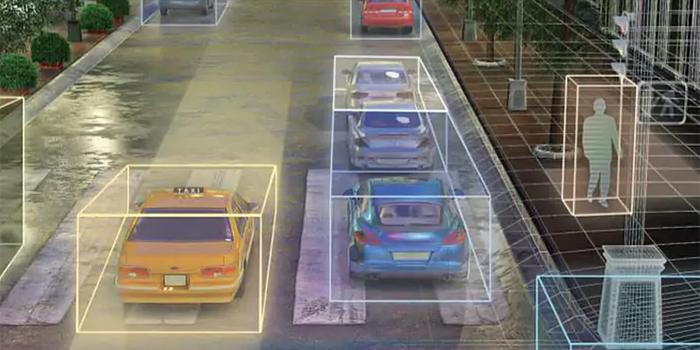
Enhance 3D perception with precise LiDAR and point cloud labeling—allowing robots to detect obstacles, understand depth, and navigate safely in both indoor and outdoor environments.
Robotics systems improve through continuous learning. Our human-in-the-loop approach ensures models are constantly refined, validated, and aligned with real-world performance.
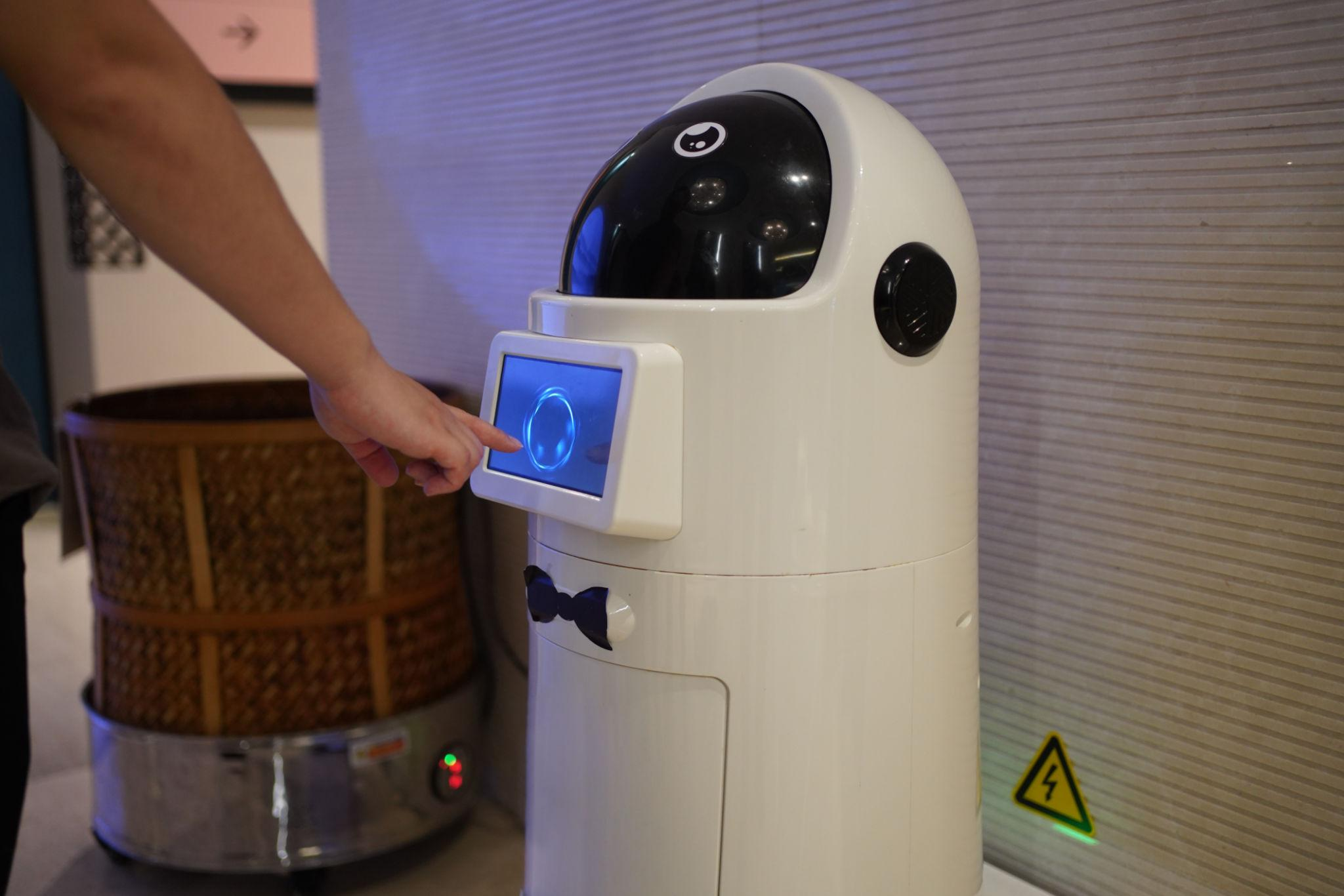
Our team of specialists, engineers, and annotators ensures your robotics models are trained with high-quality, context-aware data.
We handle diverse data types—including images, videos, LiDAR, sensor data, and text—enabling robots to perceive the world holistically.
Our processes follow strict global standards, ensuring data security, privacy, and compliance at every stage.
We support multilingual data annotation, enabling robots to understand and interact across diverse languages and regions.
Reliable, secure, and scalable AI data solutions tailored to your needs
High-quality, accurate datasets tailored to your specific AI application needs.
End-to-end data protection with strict workflows ensuring complete confidentiality.
Efficient handling of projects at any scale without compromising speed or quality.
Pay-as-you-go pricing model designed to fit your budget and project scope.