Smarter Logistics with Data-Driven Intelligence
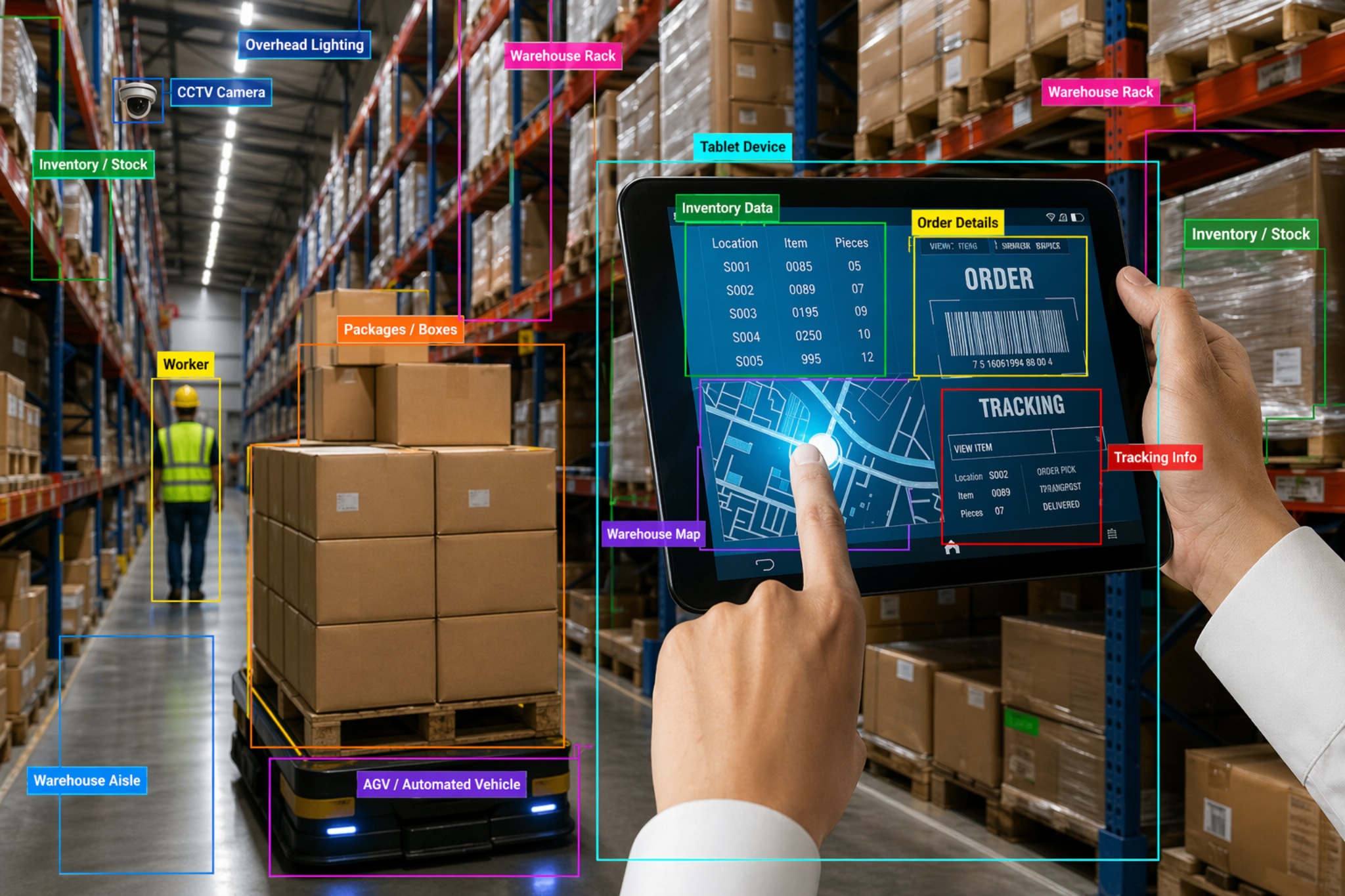
AI-powered logistics solutions depend on high-quality data to analyze operations, predict demand, and optimize workflows. From warehouse management to last-mile delivery, intelligent systems enable faster and more accurate decision-making across the supply chain.
Core Capabilities in Logistics AI
- Inventory Analysis: Monitor stock levels and prevent overstock or shortages.
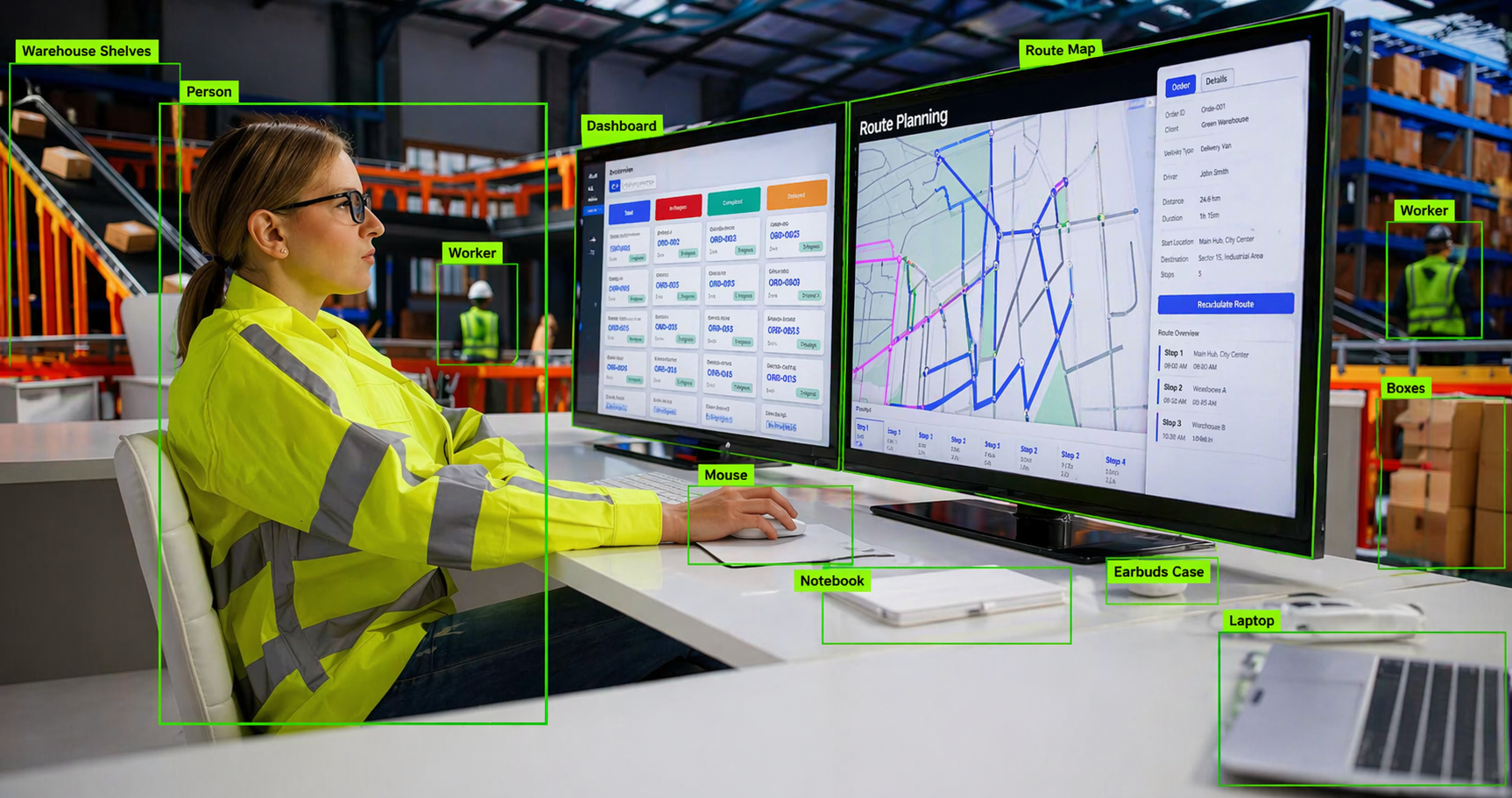
- Route Optimization: Identify the most efficient delivery paths in real-time.
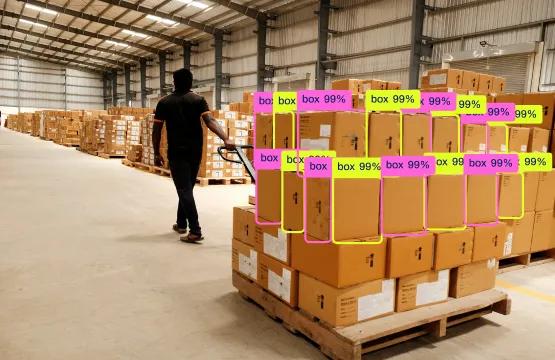
- Product Identification: Track and verify shipment items accurately.
- Demand Forecasting: Predict future requirements using historical data.
- Operational Automation: Reduce manual processes in logistics workflows.
Key Use Cases
- Warehouse Automation: Improve storage, sorting, and dispatch efficiency.
- Delivery Optimization: Ensure faster and more reliable last-mile delivery.
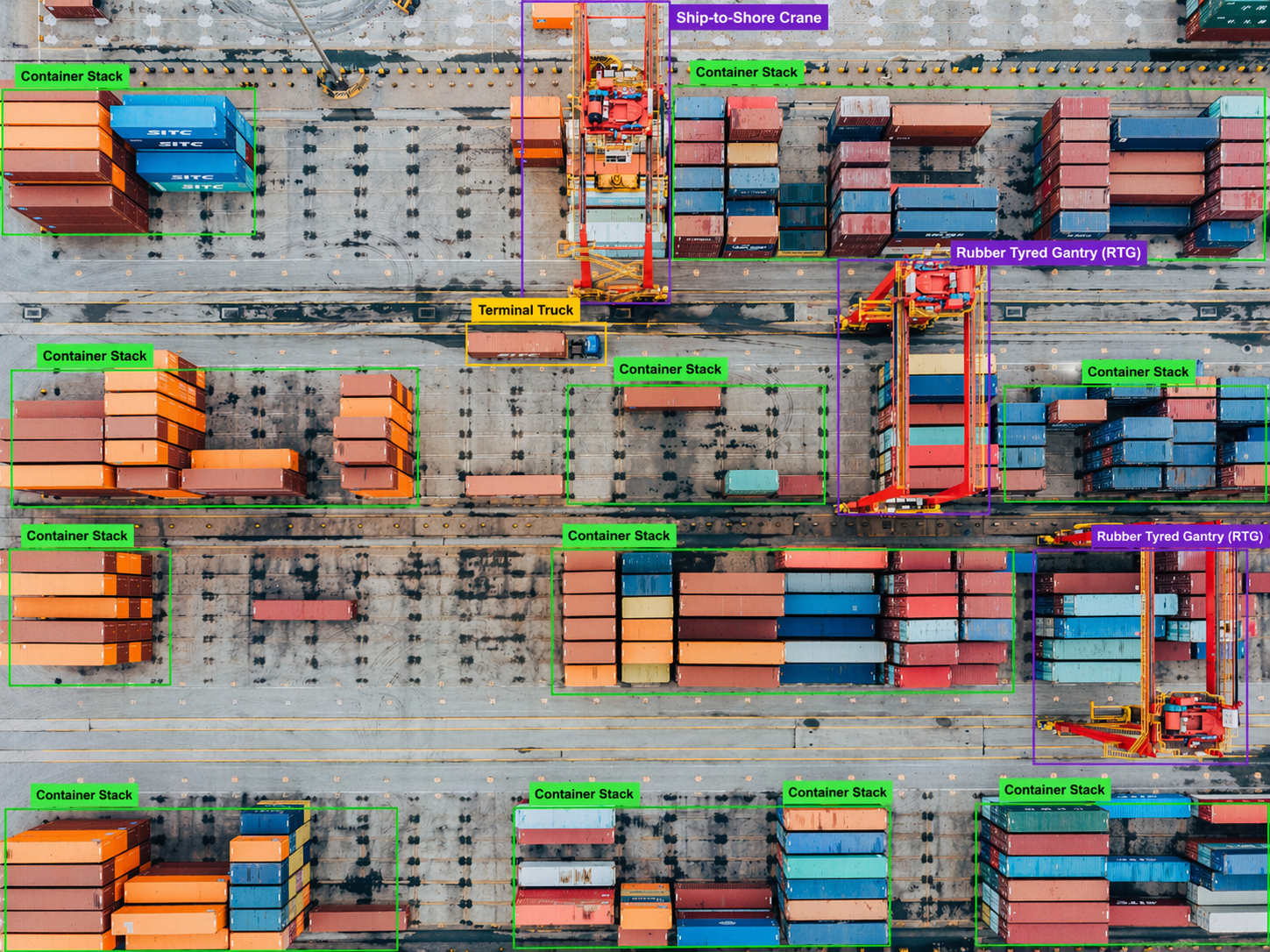
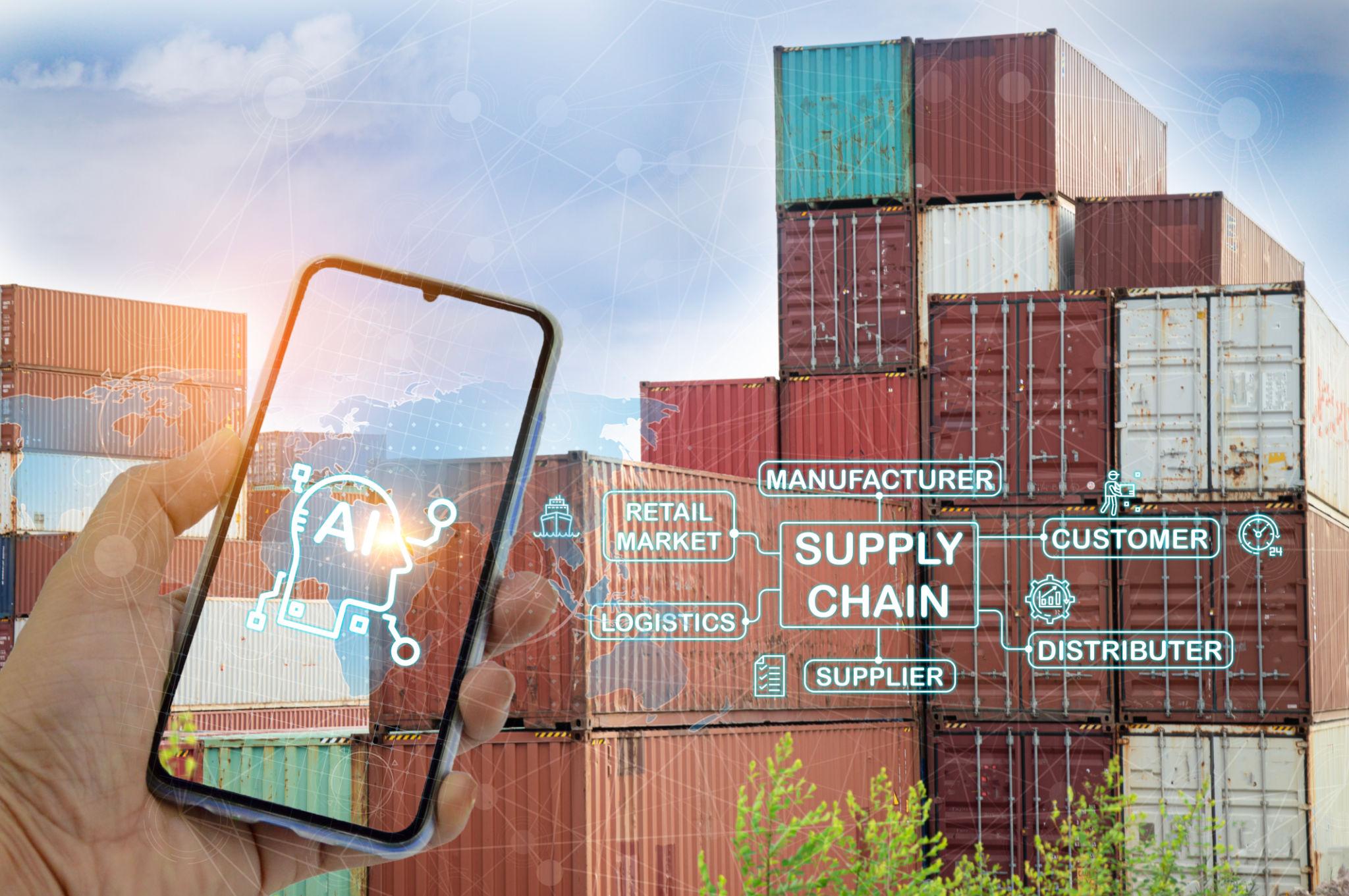
- Supply Chain Visibility: Track shipments and assets in real-time.
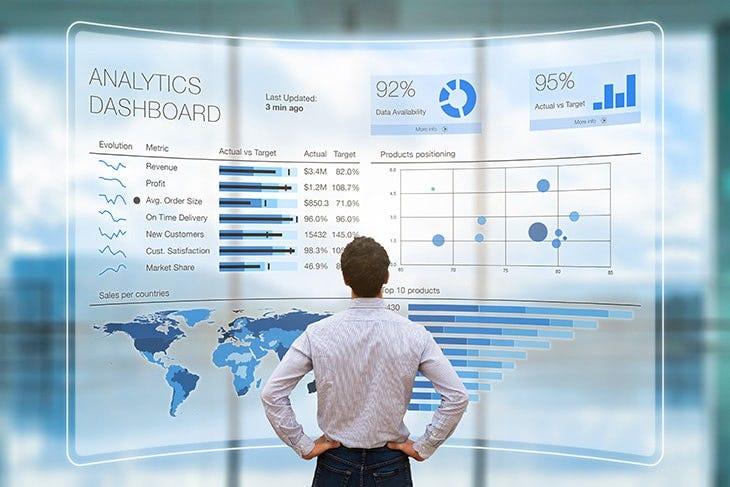
- Predictive Analytics: Anticipate delays and optimize planning.
- Fleet Management: Monitor vehicle usage and reduce operational costs.
By leveraging AI, logistics companies can reduce delays, improve accuracy, and enhance overall operational efficiency while minimizing costs and risks.
Intelligent logistics is about connecting data, automation, and real-time insights to build a faster, smarter, and more resilient supply chain.
Advanced Logistics Innovations
With the integration of AI, IoT, and real-time analytics, logistics systems can dynamically adjust to changing conditions. These innovations enable predictive planning, automated operations, and improved coordination across the entire supply chain ecosystem.