The Neurotech Ai

0%
Loading...
Autonomous vehicles depend on accurate environmental perception to drive safely. In this process, annotators label objects with bounding boxes, allowing the vehicle’s computer vision system to estimate the size, position, and distance of objects on and around the road.
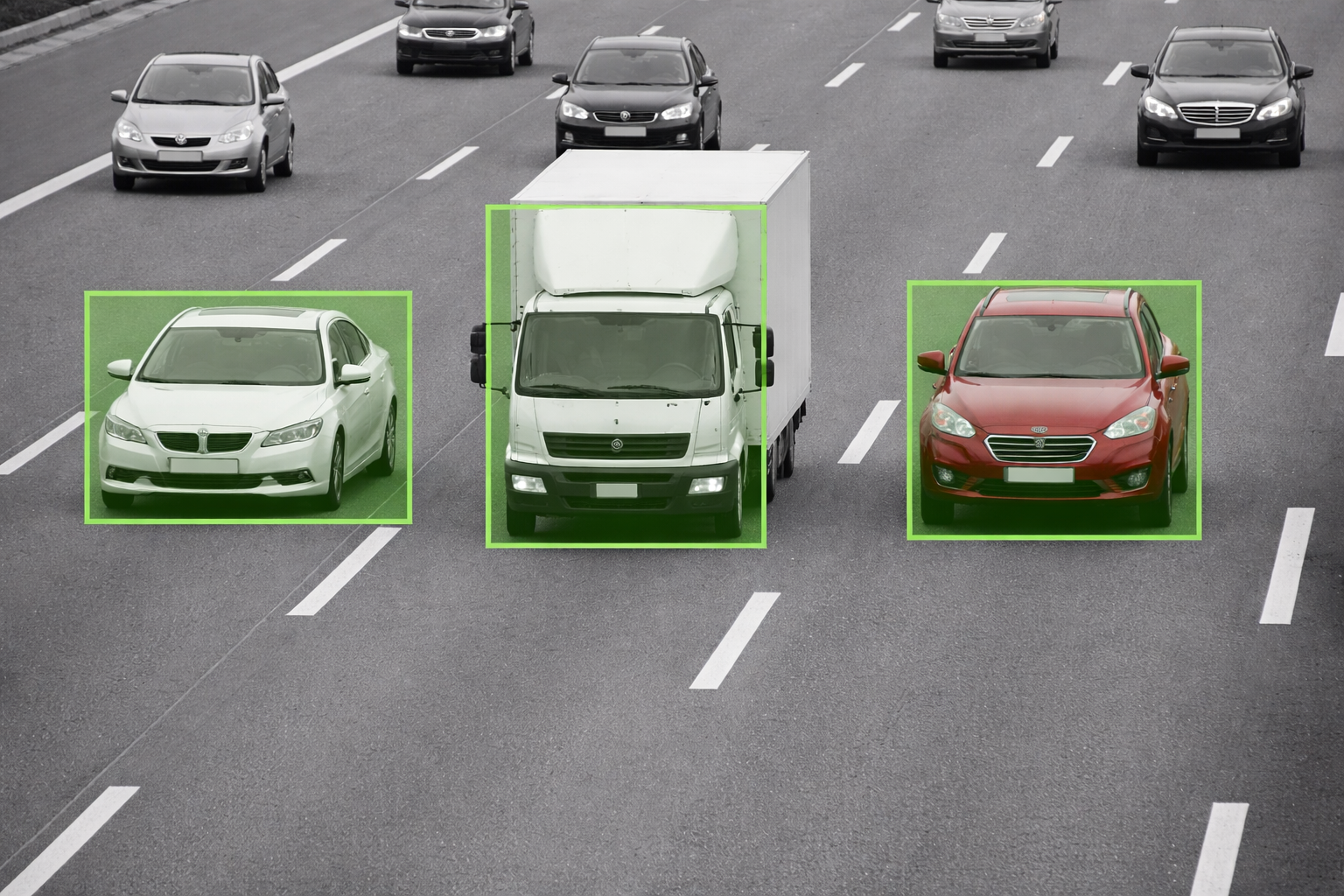
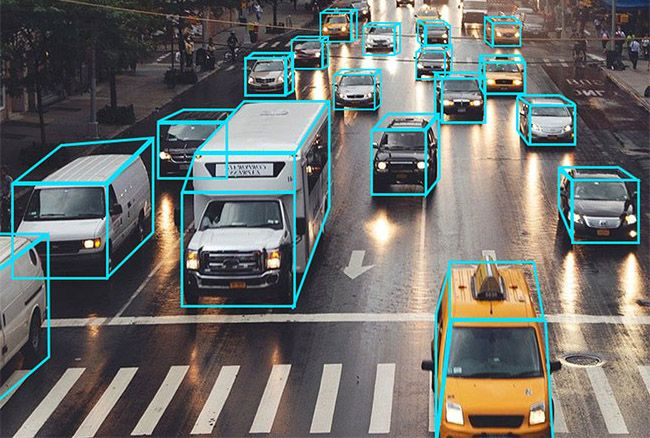
High-resolution data with millions of points can challenge a vehicle’s computer vision system in detecting objects effectively. Using 3D cuboid annotation helps accurately interpret the driving environment, improving object recognition and reducing the risk of collisions.
Engage experts to outline irregularly shaped objects with precise polygon annotations. This enables computer vision systems in autonomous vehicles to accurately identify all visible road elements—such as motorcycles, bicycles, cars, and animals—helping ensure safer driving and collision avoidance.
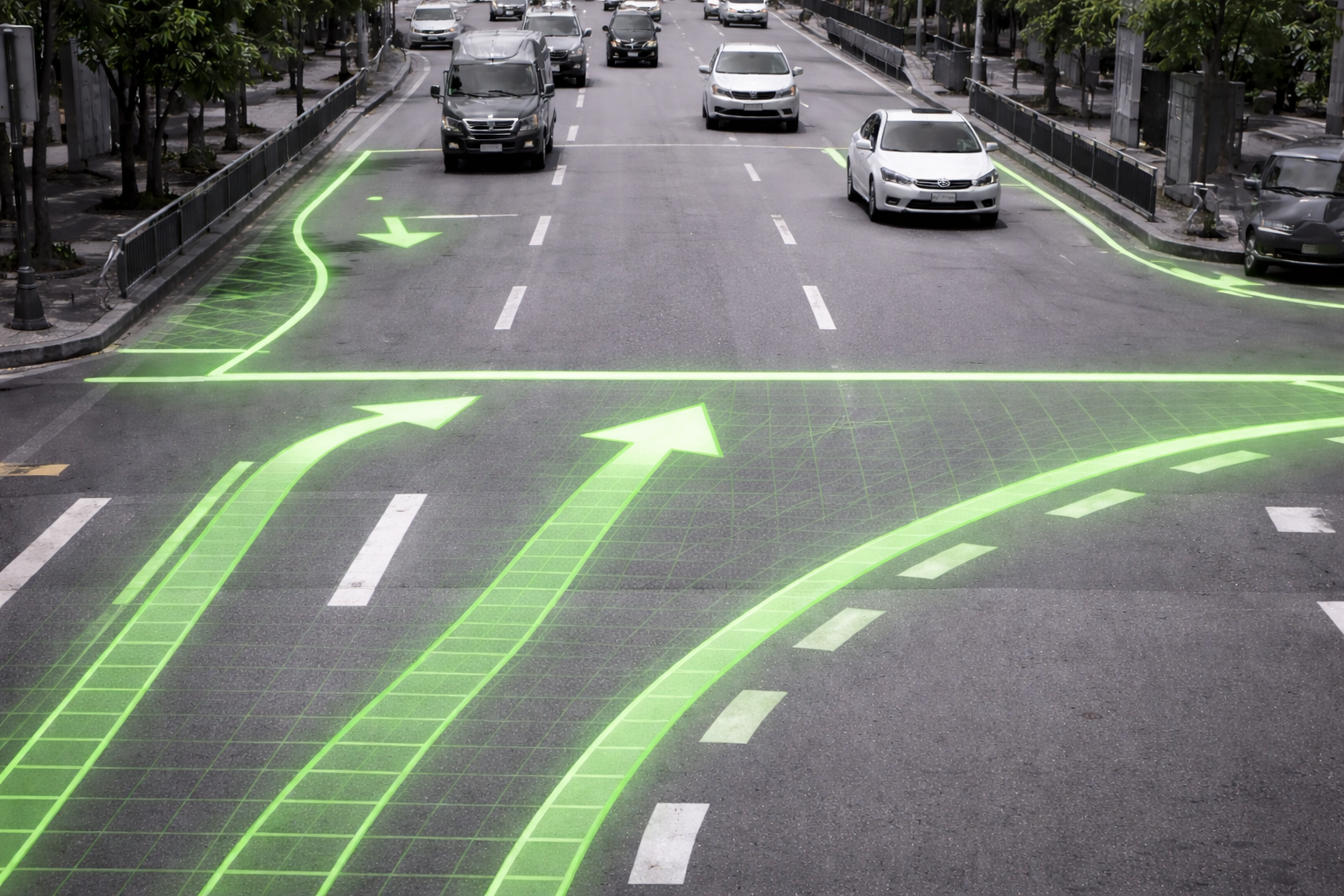
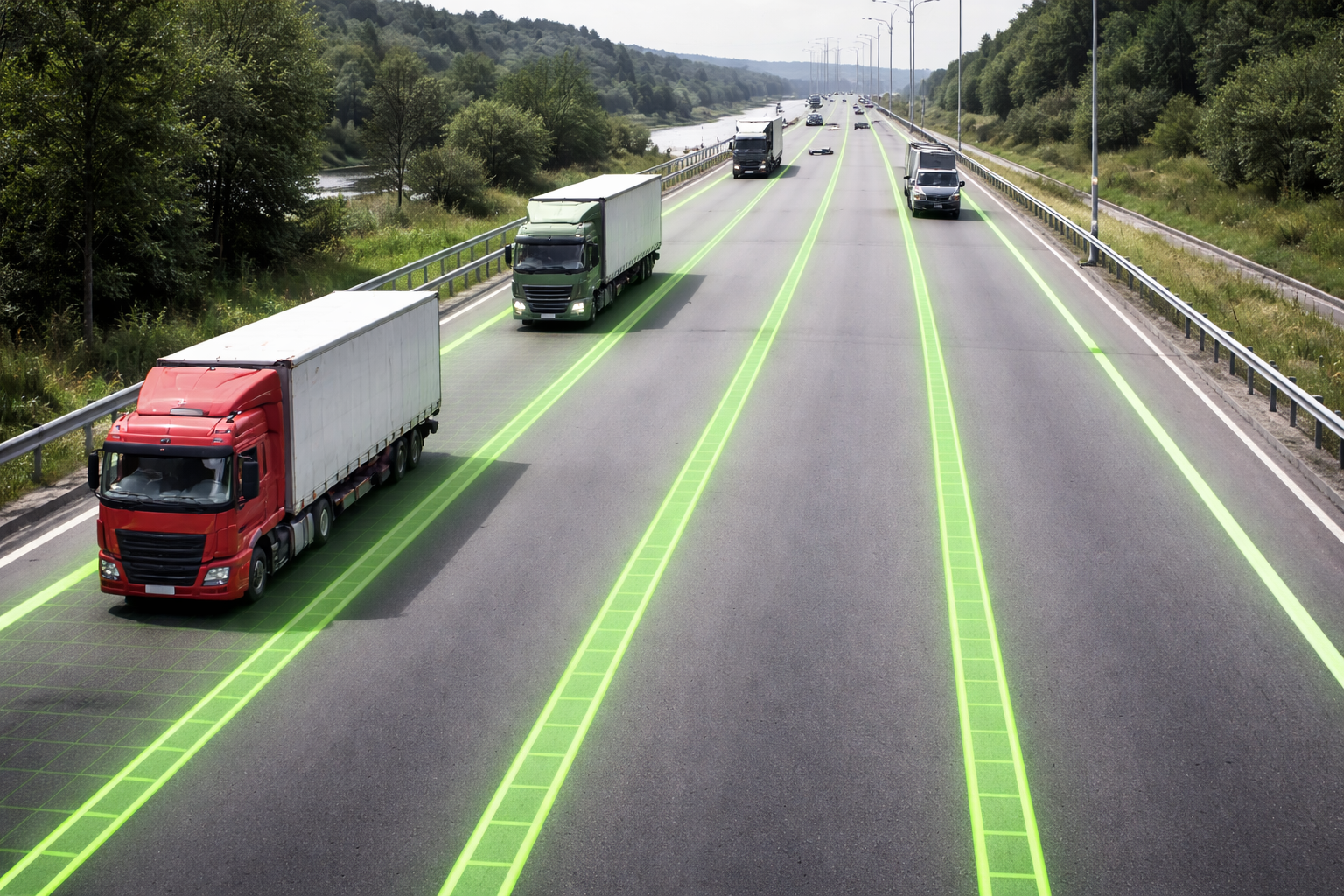
Use polyline annotation expertise to help autonomous vehicles identify bicycle lanes, traffic flow directions, divergences, and oncoming traffic patterns. This enables the vehicle’s perception system to interpret the driving environment accurately, supporting safe and smooth navigation on city streets and highways.
Reliable, secure, and scalable AI data solutions tailored to your needs
High-quality, accurate datasets tailored to your specific AI application needs.
End-to-end data protection with strict workflows ensuring complete confidentiality.
Efficient handling of projects at any scale without compromising speed or quality.
Pay-as-you-go pricing model designed to fit your budget and project scope.